The Zion Williamson Experiment Must End for the Pelicans
Six years of uncertainty is enough
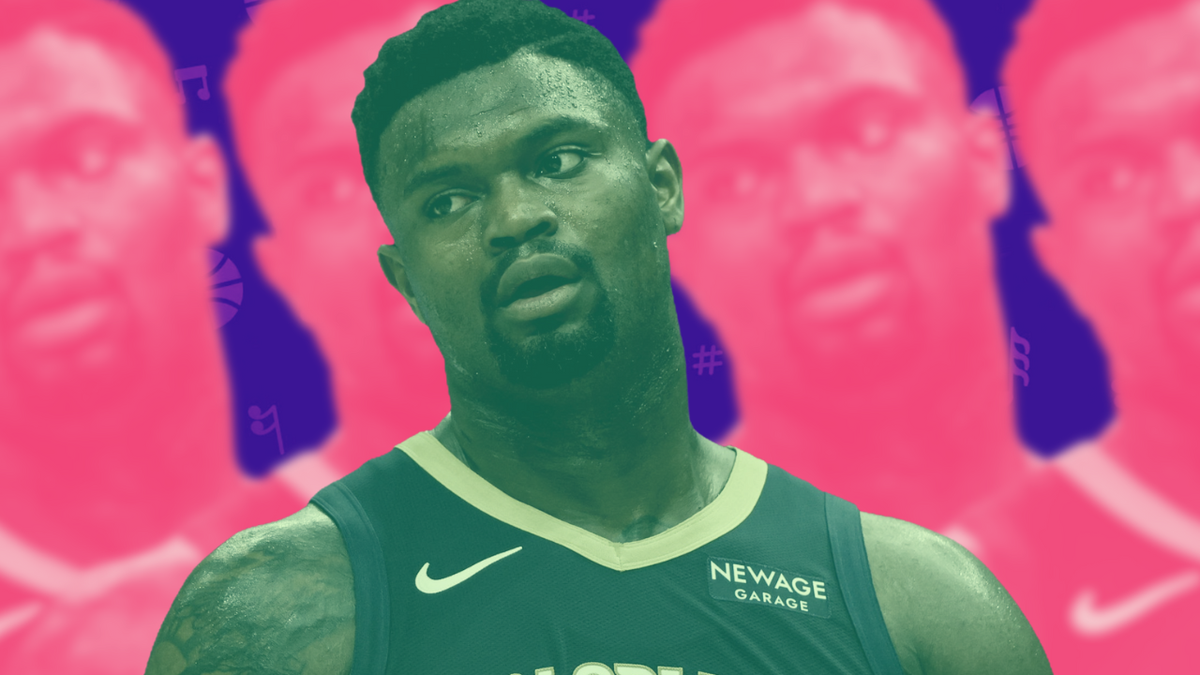
Building an NBA contender requires a foundation you can count on. For the New Orleans Pelicans, that foundation was meant to be Zion Williamson—a force so unique he could redefine the franchise. Six years in, the foundation is cracked, unstable, and often just… not there. The blueprint hasn’t worked. It’s time for the Pelicans to move on from Zion Williamson.
This isn’t about injuries anymore. You cannot build a coherent team, develop chemistry, or install systems when your central piece is a perpetual question mark. Coaches can’t plan for him. Teammates can’t build trust with him. The entire organization is forced into a holding pattern, waiting on one man’s availability. Even when he plays, the results haven’t moved the needle—this isn’t a team on the cusp of contention. It’s a team stuck in a slow, steady squeeze that drains the life out of every season.
The environment has become toxic. There is a constant cycle of anticipation, absence, and drama that overshadows everything. At some point there has to be limit to which the Pelicans can stay in this pattern. Unfortunately, the Zion cycle has gotten to the point where toxicity now outweighs any remaining hope.
But there is a clear and promising path forward.
The Pelicans selected two exciting, high-upside rookies in the 2025 draft: Derik Queen, a skilled and versatile big man, and Jeremiah Fears, a dynamic guard. They represent a tangible future—one built on availability, development, and a clean cultural slate. That future deserves a runway. Trading Zion is about prioritizing that runway. It’s about committing fully to the development of Queen and Fears, giving them the minutes, responsibility, and organizational focus to grow into core pieces.
Importantly, this is not a call for a tear-down rebuild. There will be time later to move down that route. Right now the focus is more narrow: find a taker for Williamson, even if the return is mediocre. The goal should be to replenish the draft capital and acquire players who can contribute now alongside the promising rookie core and key young veterans like Trey Murphy III and Herb Jones. Even cap flexibility alone would help the Pelicans. The aim is to construct a deeper, more balanced, and—critically—a more dependable roster.
Murphy and Jones are locked into long term deals. Their complimentary skillsets help raise the floor for the young rookies. A basketball environment without any stability can be just as corrosive to development as one built on the failed hope of a star. If an undeniable trade opportunity surfaces, it would be prudent for the Pelicans to act. But there should be no rush.
The hardest decision in sports is knowing when a paradigm has failed. It might be tempting to wait for the “right” time—for one more healthy stretch, one more highlight reel, a fleeting spike in trade value. But that’s the same trap that has ensnared this franchise for years. Clinging to Zion is choosing continued instability. Moving him is choosing to take back control over the franchise. The moves that follow may or may not work, but the direction will finally be the Pelicans’ own.
The Pelicans have a clear choice: keep praying for a miracle that’s six years late, or start building a roster you can actually rely on. For this franchise, its fans, and the young players waiting for a real chance, the only sensible path is to move on.